
(owner)

@exploring-aerator-technology-usability-and-system-design
有效的水资源管理与水产养殖环境中空气的引入和分布方式密切相关。在选择水产养殖增氧机时 ,操作人员应考虑材料质量、水质条件、增氧性能、安装、维护、能耗以及与整个生产系统的兼容性。台州元盛水产机械有限公司为理解如何根据实际水产养殖需求开发增氧设备提供了有益的制造视角。
Material selection is one of the first factors worth examining. Aeration equipment often operates in environments where water, humidity, sunlight, feed residue, and other external influences may be present. The housing, rotating components, shafts, fasteners, floats, and protective sections therefore need to be considered according to the working environment. Appropriate materials can support structural stability while making routine cleaning and inspection easier.
Water conditions should also influence purchasing decisions. Aquaculture environments can vary considerably depending on species, water source, pond structure, stocking conditions, and management practices. Equipment exposed directly to water requires suitable protection and construction, while components positioned above the water may face different environmental challenges. Matching the equipment to its installation environment can help create a more dependable aeration system.
The purpose of aeration should be clearly identified before selecting equipment. Aerators can contribute to water circulation and oxygen transfer while helping reduce stagnant areas within ponds or tanks. However, the most suitable design depends on the layout and operating conditions of the aquaculture facility. Buyers should consider how air movement interacts with water flow rather than viewing aeration as an isolated function.
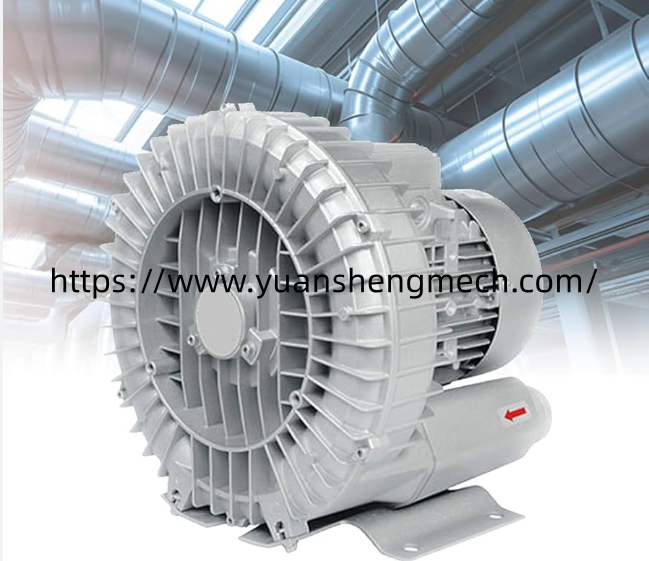
The mechanical structure determines how the equipment transforms power into useful water movement and aeration. Motors, impellers, shafts, protective covers, floats, and other components must work together as a coordinated system. Stable mechanical operation can support consistent water movement, while thoughtful component placement can make inspection and servicing more convenient.
Water circulation is particularly important because oxygen distribution is affected by how water moves through an aquaculture environment. An aeration system that encourages suitable circulation can help distribute oxygenated water more effectively and reduce areas with limited movement. The relationship between the aerator and pond layout should therefore be considered during system planning.
Purchasing decisions should also include installation requirements. Equipment may need to be positioned according to pond shape, water depth, electrical arrangements, access routes, and other site conditions. A practical design can simplify installation and reduce unnecessary adjustments during commissioning. Operators should also consider how easily the equipment can be removed or repositioned when maintenance is required.
Maintenance is an important part of the user experience. Aquaculture equipment may collect algae, sediment, organic residue, or other deposits during operation. Accessible surfaces and practical component layouts can make cleaning easier. Inspection points should allow operators to identify signs of wear or blockage before they develop into larger operational problems.
操作便捷性对日常养殖场管理至关重要。操作人员通常需要同时监控水产养殖设施的多个方面。易于启动、停止、检查和维护的曝气设备可以减少不必要的工作量。清晰的操作控制和合理的设备布局也能使日常管理更加直观。
可靠性也与部件协调性密切相关。电机、传动结构、旋转组件和防护罩必须在正常运行条件下协同工作。正确的对准和平衡的机械结构有助于减少不必要的振动和机械应力,从而为操作人员创造更稳定的工作环境。
即使在户外水产养殖环境中,设计和外观也具有实用价值。整洁的设备结构便于检查,并有助于营造更有序的池塘环境。防护罩有助于保护机械部件,而设计合理的浮筒或支撑结构则能确保设备保持在预期位置。视觉上的布局也有助于在日常检查中更轻松地识别设备。
节能运行应纳入系统设计考量。曝气效率不仅取决于设备,还取决于池塘布局、水循环、维护和操作规范。保持机械部件清洁并确保曝气器位置合适,有助于避免不必要的运行损耗。
不同的水产养殖设施对设备的要求也可能不同。鱼塘、虾类养殖环境、育苗系统和其他水基生产区域在水流情况和管理重点方面可能存在差异。根据具体应用选择设备,可以让操作人员专注于对其生产环境至关重要的功能。
台州元盛水产机械有限公司为企业评估水产养殖曝气设备提供了实用参考,涵盖材料选择、水循环、机械结构、安装、维护、操作便利性和设备设计等多个方面。更多关于其水产养殖机械及相关解决方案的信息,请访问https://www.yuanshengmech.com/。

